


Teledata Group
Mission-critical AI infrastructure
From landto live.
Teledata describes its role across the delivery of mission-critical AI data centers. The site. The systems. The work that brings them together.
The physical side of AI / The company’s model
Before the workload.
An entire world of work.
AI infrastructure is land, planning, power, structure and cooling—long before it is computing capacity. Delivering a data center means bringing these disciplines into a coordinated programme.
Teledata describes a specialist data center EPC and project-management business, spanning site identification and acquisition, concept design, detailed engineering, procurement, construction management, systems integration and commissioning.
A single accountable party.Teledata describes retaining design authority throughout, with specialist delivery partners coordinated under its programme—not separate disciplines left for the client to reconcile.
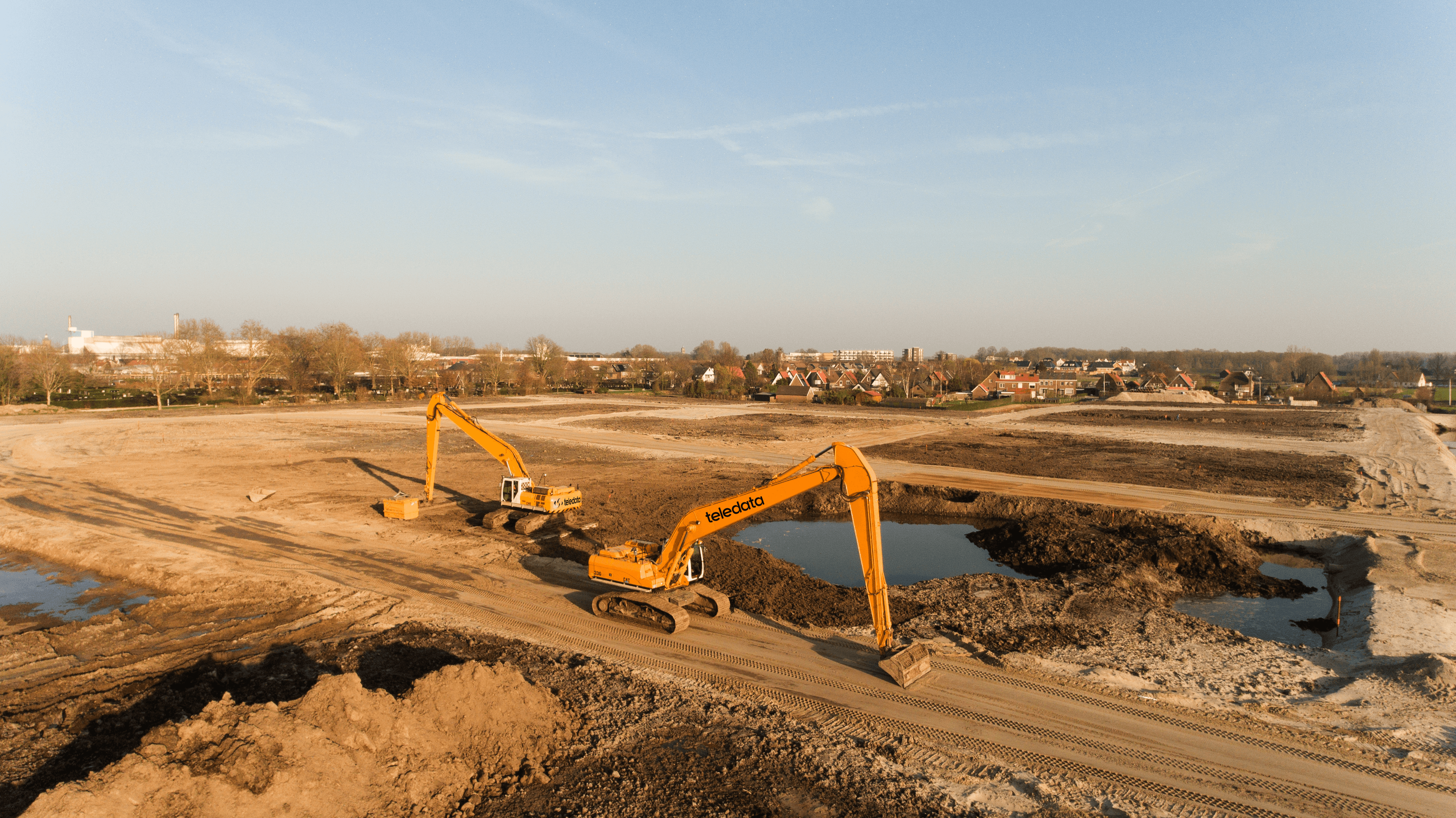
Land & development
The first infrastructure
decision is the ground.
A site is more than a location. Teledata describes assessing the conditions that make development viable before the design programme begins: available power, a route to the grid, planning and network connectivity.
- Power availabilityEvaluate the site’s power context before committing to a facility design.
- Grid accessConsider the connection strategy alongside land due diligence.
- Planning viabilityAssess site requirements, then coordinate applications and permitting.
- ConnectivityReview proximity to network infrastructure as part of site selection.
Identification, evaluation and acquisition sit at the start of the delivery remit. The choice of land informs the power, structure and cooling systems that follow.
Teledata site evaluationExplore the delivery lifecycle.
Select a stage to see the scope & connections
Site acquisition & development management
Teledata describes evaluating power availability, grid access, planning viability and proximity to network infrastructure before design begins. Its site remit then covers land due diligence, acquisition, planning applications and permitting.
Read this chapterWithin the remit
- Power availability & grid access
- Land due diligence
- Planning & permitting
- Network connectivity
Into design. Site and planning considerations form the context for the facility’s power, structure and cooling design.
Data center design & engineering
Teledata retains design authority while coordinating specialist delivery partners. Standardized, modular designs bring power architecture, structure, cooling, resilience and compliance together for high-density AI workloads.
Read this chapterWithin the remit
- Power architecture & resilience
- Structure
- High-density cooling
- Compliance
Into construction. The coordinated design connects technical requirements with the procurement and construction programme.
Turnkey construction & contract management
Teledata describes coordinating procurement, specialist contractors, engineers, architects and local authorities within a phased programme. Cost control, scheduling, inspections and on-site supervision sit within that construction-management remit.
Read this chapterWithin the remit
- Procurement
- Contractor management
- Cost control
- Schedule governance
Into commissioning. The construction programme leads into systems testing and integrated commissioning—not simply the completion of a building.
Commissioning, testing & key handover
Teledata’s delivery remit continues through systems integration, testing, integrated commissioning and regulatory sign-off to handover. These activities connect the physical build with the facility’s intended operational use.
Read this chapterWithin the remit
- Systems testing
- Integrated commissioning
- Regulatory sign-off
- Key handover
Toward live operation. Handover is the final stage of the delivery service, following testing, commissioning and sign-off.
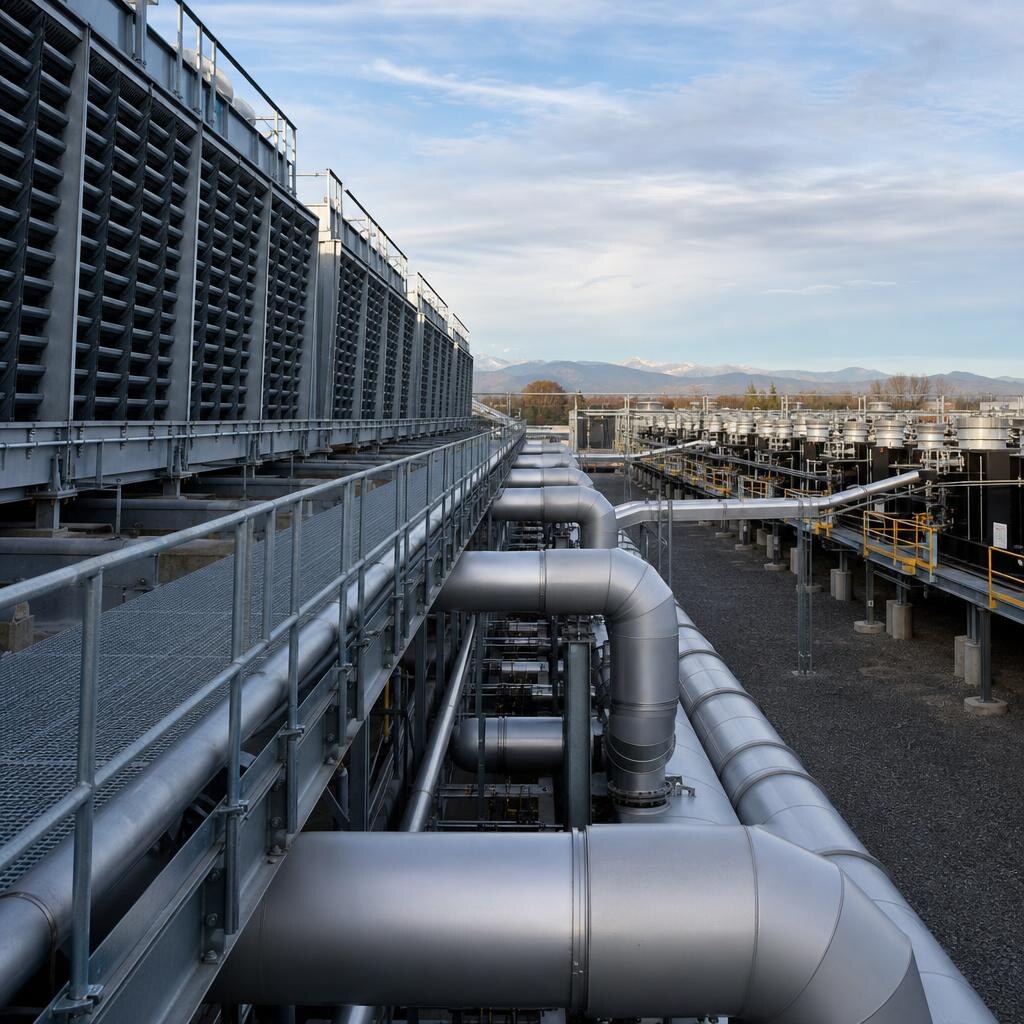
Design & engineering
Not separate systems.
One facility.
Teledata’s approach puts power, structure, cooling and compliance under retained design authority. Its standardized, modular infrastructure is engineered for high-density AI workloads, with resilience considered across the facility.
- Power
- Power architecture and electrical infrastructure governed within a coordinated design.
- Structure
- The physical building, considered alongside its technical systems.
- Cooling
- Thermal infrastructure treated as part of engineering for high-density computing.
- Resilience
- Facility standards retained by Teledata as specialist partners undertake delivery.
- Compliance
- Design and regulatory requirements considered throughout the programme, before later sign-off.
Design for the next phase.
Teledata describes modular expansion. Its UK development plan sets out an initial deployment within a broader plan for phased capacity growth.
The delivery connection: a coordinated design becomes the basis for procurement, contractor coordination and the construction programme.
From design to the buildConstruction & contracts
The complexity is
in the coordination.
A facility takes shape through a programme—not a single trade. Teledata’s model is one accountable party coordinating specialist delivery partners, while retaining authority over design standards.
Teledata’s Ireland and Swiss design-and-build plans describe evaluating goals, site conditions, budgets and regulatory requirements, followed by roadmaps of phases, milestones and resources.
Open each workstream to explore
01Procurement
Teledata describes managing procurement of materials and work packages against a coordinated design, with project requirements, regulatory considerations and material options addressed in the development roadmap.
02Contractor interfaces
The company describes coordinating specialist contractors and communication with engineers, architects and local authorities. It retains design authority while delivery partners execute the work on the ground.
03Cost control
Overseeing construction costs as a defined part of Teledata’s contract-management remit, alongside procurement and programme coordination.
04Schedule governance
Teledata’s design-and-build scope includes phases, milestones and resource allocation, followed by scheduling, inspections and on-site supervision. Systems integration, commissioning and handover extend the delivery programme.
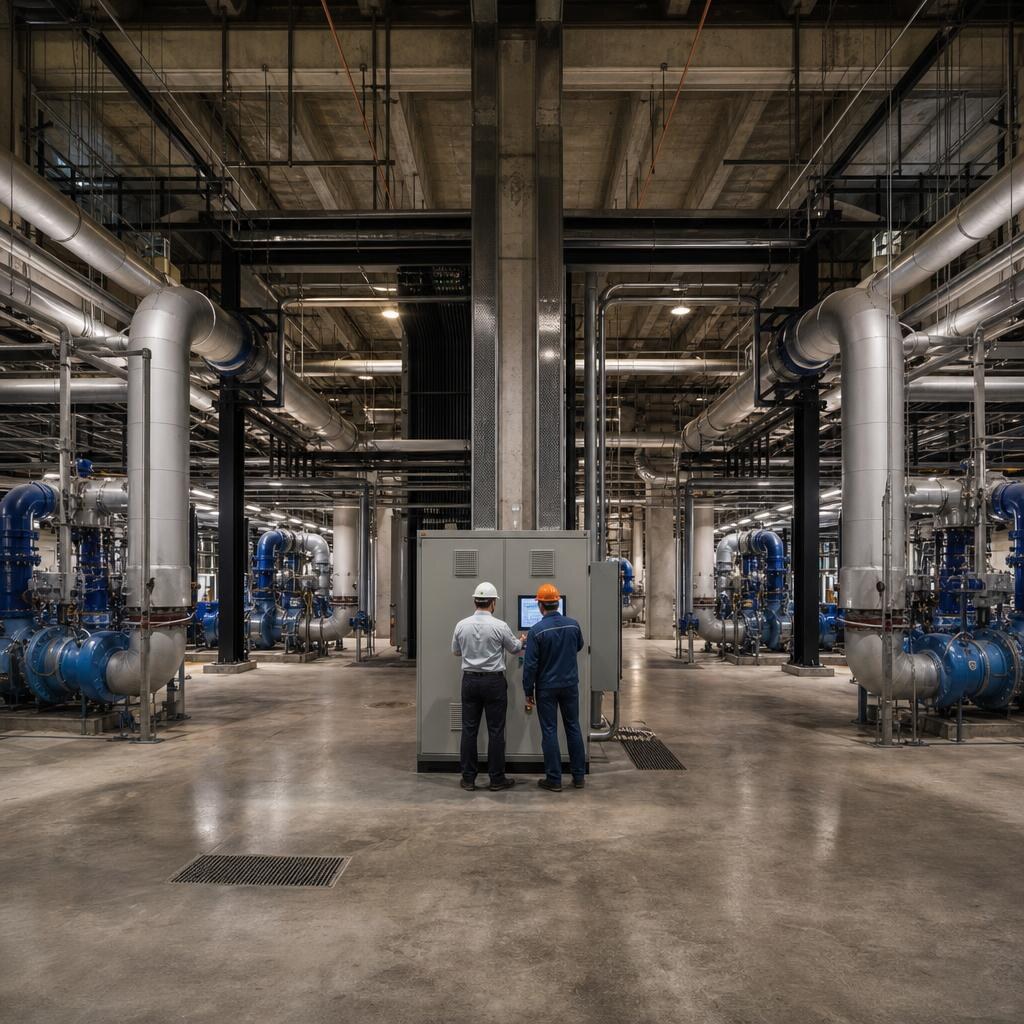
Commissioning & handover
Built is not
the same as live.
The transition to operation is a discipline in its own right. Teledata describes a remit that extends beyond the physical build into systems integration, testing, integrated commissioning, regulatory sign-off and handover.
- 01
Systems testing
Managing the testing of the facility’s systems.
- 02
Integration & commissioning
Bringing the individual systems into a coordinated commissioning process.
- 03
Regulatory sign-off
Managing the sign-off stage within the delivery remit.
- 04
Key handover
The final transition from the delivery programme toward live operation.
These are descriptions of the company’s service scope. The requirements and acceptance criteria for any engagement must be confirmed directly with Teledata.
Revisit the complete lifecycleProject inquiries / Direct to Teledata
Start with the site.
Discuss the whole scope.
For site, engineering or delivery requirements, speak with Teledata about the services and scope of a potential engagement.
Contact TeledataVisit the company’s websiteThe Gliderdale perspective
Digital infrastructure
Understanding what
digital capacity is built on.
Teledata’s service focus connects to Gliderdale’s Digital Infrastructure & Data Centers theme: physical facilities, technical coordination and the delivery work behind digital capacity.